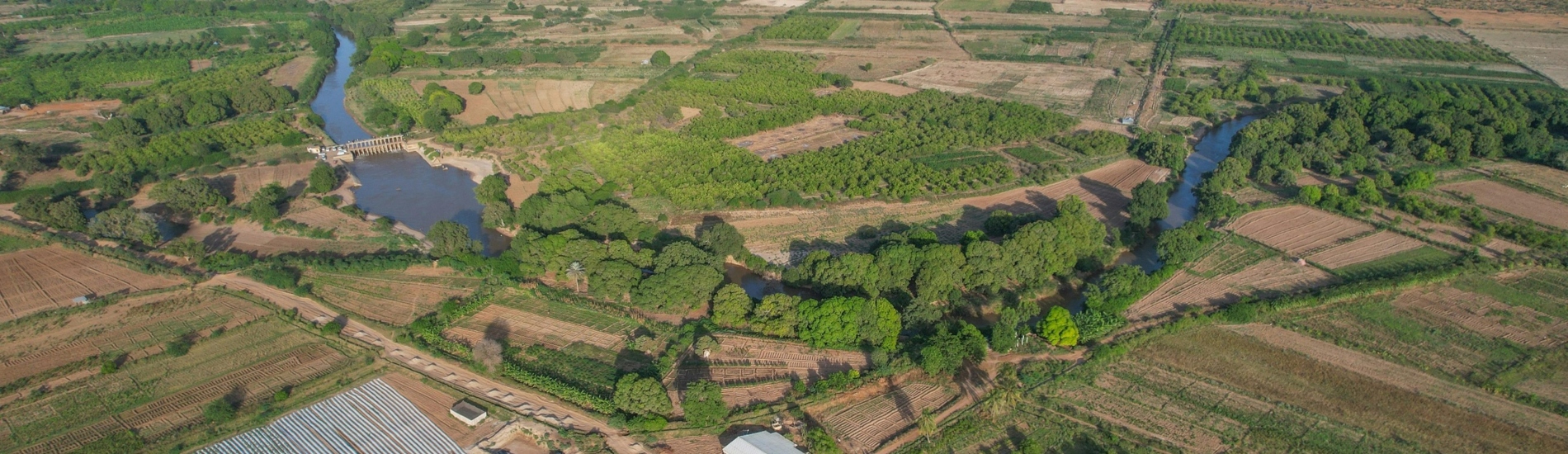
This week marked the culmination of a significant milestone with the completion of handover sessions to key stakeholders—the Somali Disaster Management Agency (SODMA) and Somaliland’s National Disaster Preparedness and Food Reserve Authority (NADFOR). These sessions formally transferred ownership of the drought forecasting model, concluding a long-term initiative commissioned by the World Food Programme (WFP) and implemented by FutureWater in partnership with the local consultancy Galayr.
The primary objective of this assignment was to strengthen national and regional capacity in Somalia/Somaliland to mitigate the humanitarian impacts of recurrent droughts. This has been pursued through enhanced preparedness, improved early warning systems, and the promotion of anticipatory action.
To achieve this objective, the project delivered several key outputs:
- A comprehensive capacity assessment of both institutions.
- An operational, machine learning–based drought forecasting model capable of predicting meteorological drought conditions up to three months in advance of the rainy seasons, ready for use by stakeholders.
- A stakeholder-driven consensus on drought triggers and thresholds linked to anticipatory actions, supported by a historical analysis of drought events to define impact-based thresholds.
- Effective transfer of knowledge and tools through targeted capacity-building activities.
This milestone represents not only a technical handover but also a shared commitment to proactive disaster risk management. By shifting the focus from reactive crisis response to forward-looking preparedness, this initiative strengthens the collective capacity to act early and safeguard vulnerable communities before drought impacts escalate.