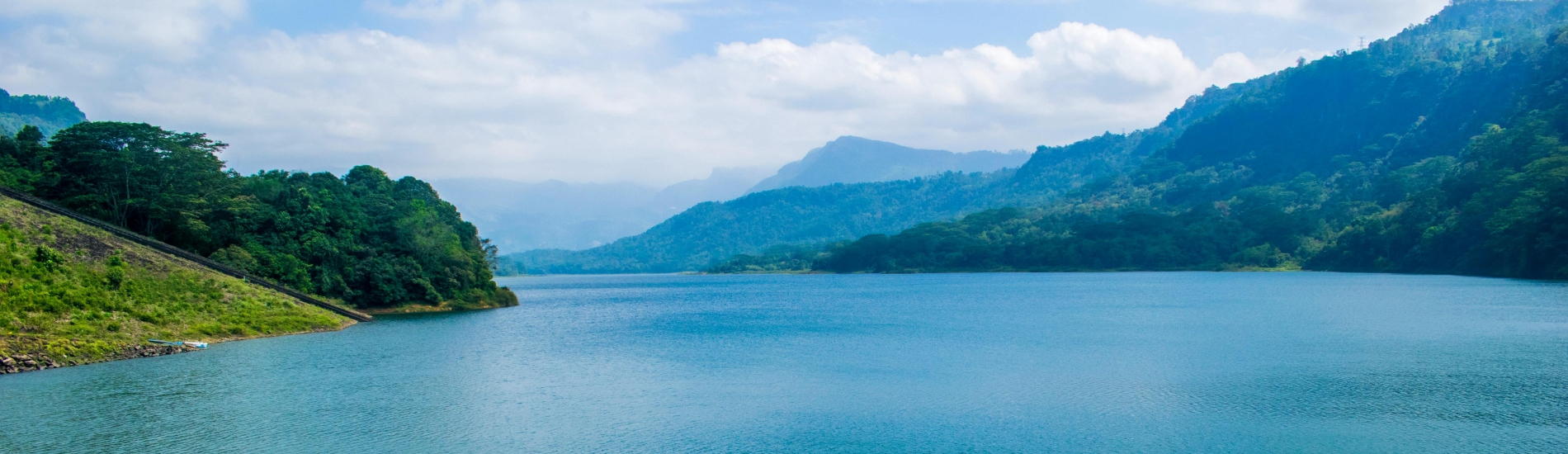
Pepijn van Ravesteyn is a hydrologist with over 10 years of international experience working in the water resources sector. His expertise spans hydrometeorological data analysis and modelling, hydrogeologic field investigation, groundwater modelling, water availability and demand assessments, GIS analyses, environmental impact assessments, climate change impact assessments.
Between 2016 and 2019 he worked as a hydrogeologist in Australia, he designed and led fieldwork programs, trained junior staff, and operated as project manager. Between 2022 and 2025 he was based in Johannesburg, South Africa working as Climate Resilience and Hydrology Consultant for Royal HaskoningDHV. Pepijn has contributed to projects across Africa, Europe, Asia, and Australia, including work in Australia, Nepal, Pakistan, Singapore, the Philippines, the United Kingdom, the Netherlands, Portugal, Ethiopia, Mozambique, Madagascar, Senegal, South Africa, and Venezuela. He has worked for clients like FAO, World Bank, Red Cross International, and with river basin agencies, government ministries, amongst others. He is affiliated with the International Association for Hydrogeologists (IAH) and the South African Hydrological Society (SAHS)
Related projects
-
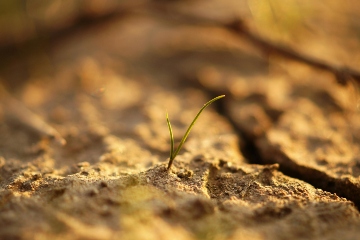
I-DIP: Monitoring, Forecasting and Tackling Flash Droughts in Pakistan
Regions in Pakistan are increasingly exposed to flash droughts – sudden dry spells that develop within weeks and severely impact crops and livelihoods. To strengthen resilience, FutureWater and WaterSprint, in partnership with the National Drought Monitoring Centre (NDMC) and the Better Cotton Initiative, are piloting I-DIP in two vulnerable districts:Bahawalpur...
-
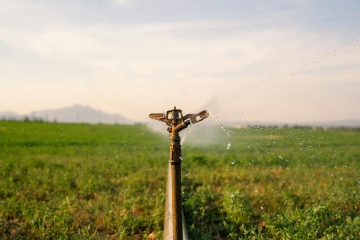
Smart Sprayer: Efficient Terrace Irrigation in Nepal
The project introduces the Smart Sprayer package, an integrated solution that combines: 1) A low-cost, gravity-fed micro-pivot irrigation system (the Sprayer), designed to function under very low water pressure and flow—ideal for hilly terrain and remote farms. 2) A mobile-based Smart Irrigation Tool that sends farmers daily, crop-specific irrigation recommendations...
-
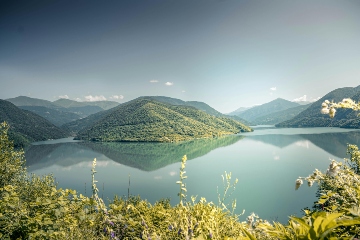
Climate Change Impact on Drainage in West Georgia
The western part of Georgia, with its humid subtropical climate, faces significant challenges due to frequent waterlogging and flooding, impacting agricultural productivity and rural livelihoods. The existing drainage infrastructure, primarily developed during the Soviet era, has deteriorated due to insufficient maintenance and investment, reducing land productivity and increasing flood risks....
Related publications
-
2025 - FutureWater Report 265

 Khanal, S., N. Faezeh, J. Fiddes, P. Kraaijenbrink, W. Immerzeel, P. Droogers, P. van Ravesteyn, T. Schults, J.E. Hunink. 2025. Guidelines for Glacio-hydrological Modelling in High Mountain Asia. FutureWater Report 265.X
Guidelines for Glacio-hydrological Modelling in High Mountain Asia
Khanal, S., N. Faezeh, J. Fiddes, P. Kraaijenbrink, W. Immerzeel, P. Droogers, P. van Ravesteyn, T. Schults, J.E. Hunink