Over the past year, a consortium of FutureWater (NL), Practica (NL), and the Climate Resilience Research Centre (Nepal) has been conducting a feasibility study on the Smart Sprayer in Nepal, addressing water scarcity in the mid-hills (Syangja district).

By combining high application uniformity with tailored irrigation advice, the system aims to reduce water use, increase yields, and prevent nutrient leaching. It integrates a low-pressure mini-pivot (Sprayer) with a smart advisory service via SMS and WhatsApp (Croptimal), supported by the Partners for Water programme (RVO).

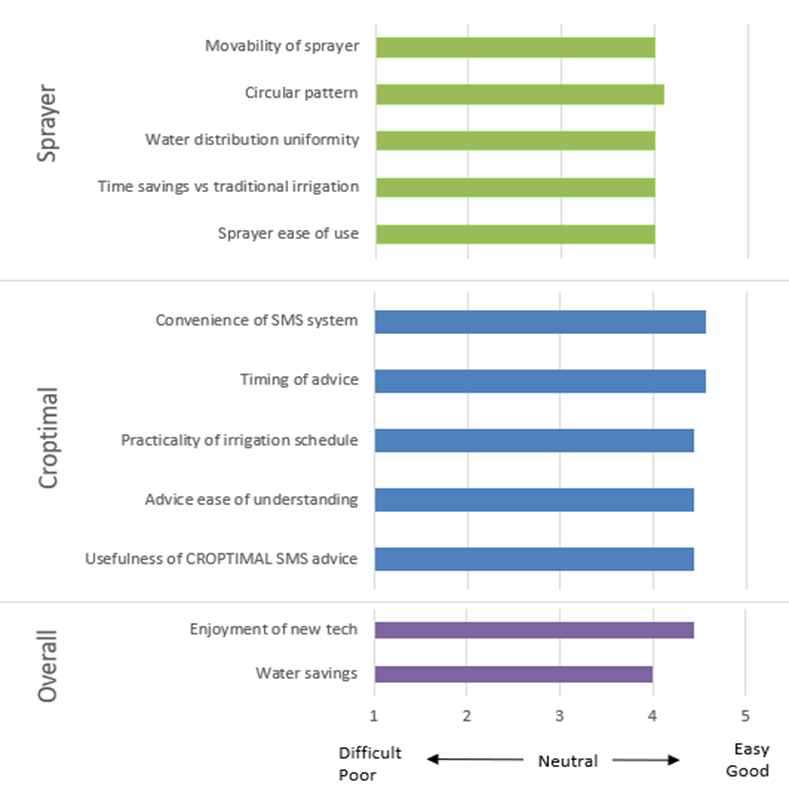
The study is progressing well. The 10 participating farmers are currently harvesting their winter crops, with promising early results. Farmers report improved ease of use, water efficiency, and crop performance (see summary in the bar chart below). 

Local municipalities are preparing to subsidize the Smart Sprayer in the coming financial year, while the Agricultural Knowledge Centre has already procured systems for further testing. This confirms strong local interest and scaling potential. 

We are now preparing a pilot involving 50–100 farmers and are exploring financial mechanisms and partnerships to enable this next phase. We welcome any ideas or connections that could support this effort. 

An interim project video of the Smart Sprayer is available on YouTube, and additional information on both the Sprayer and Croptimal is found in the factsheet. 

More information about the project can be found here

Video

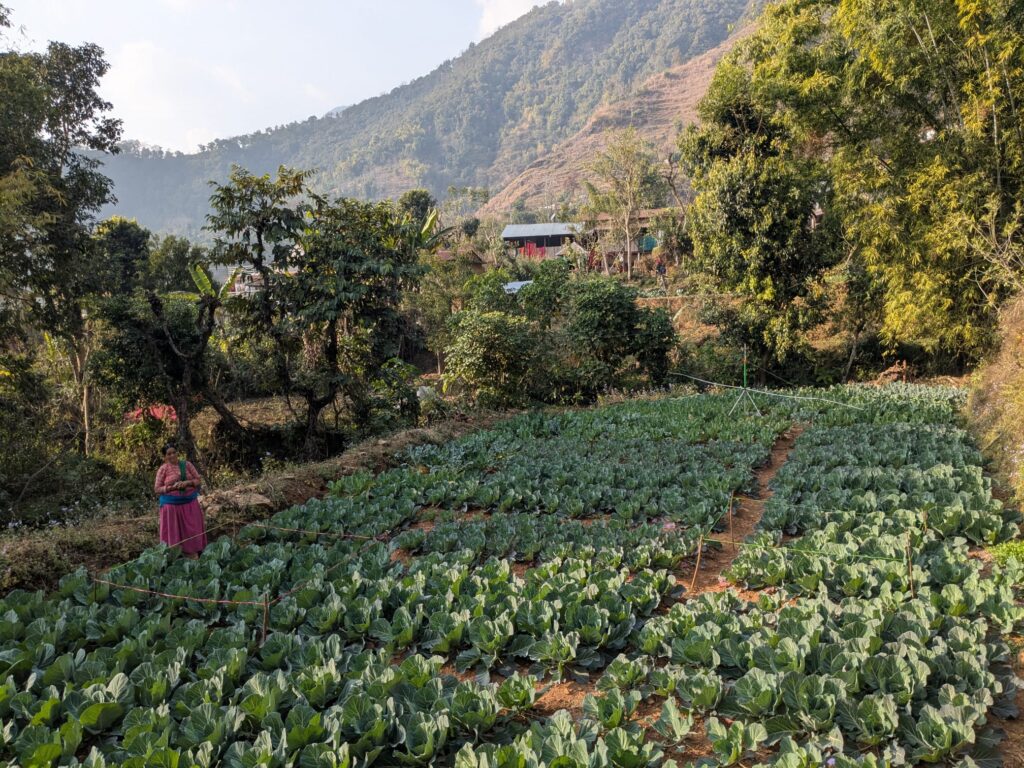
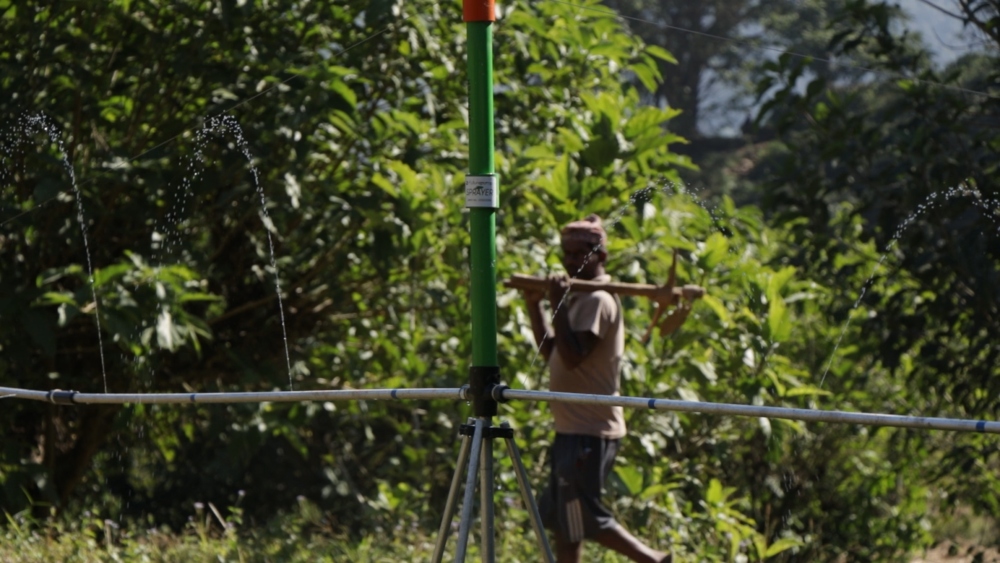
Smart Sprayer in pilot field.
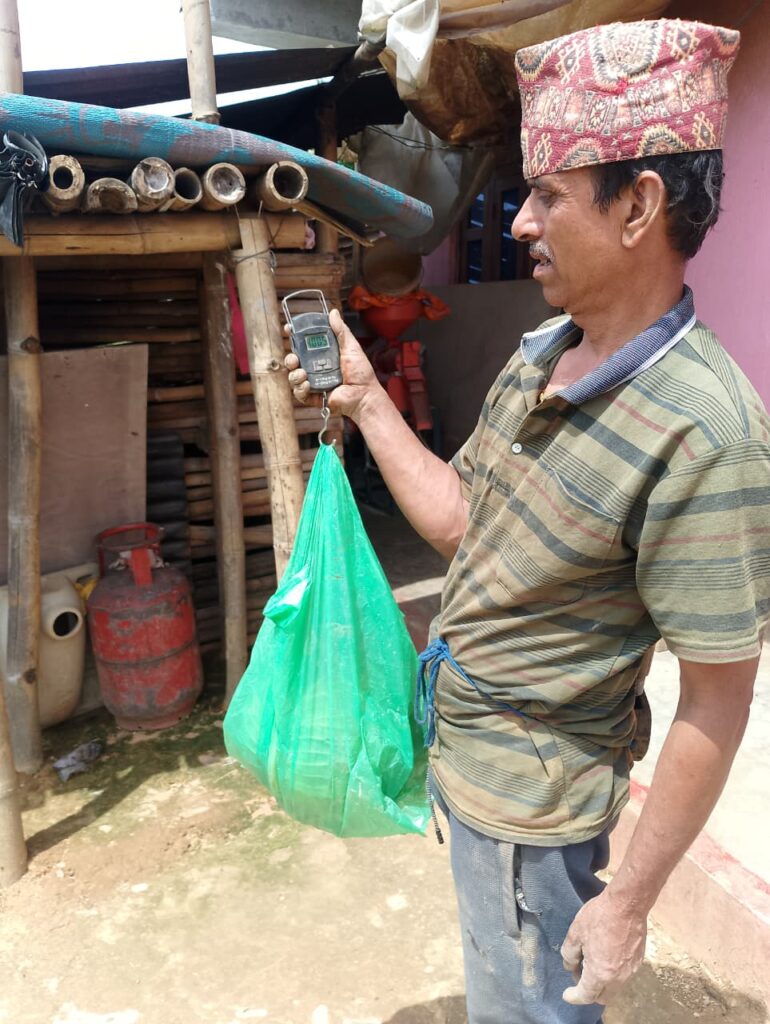
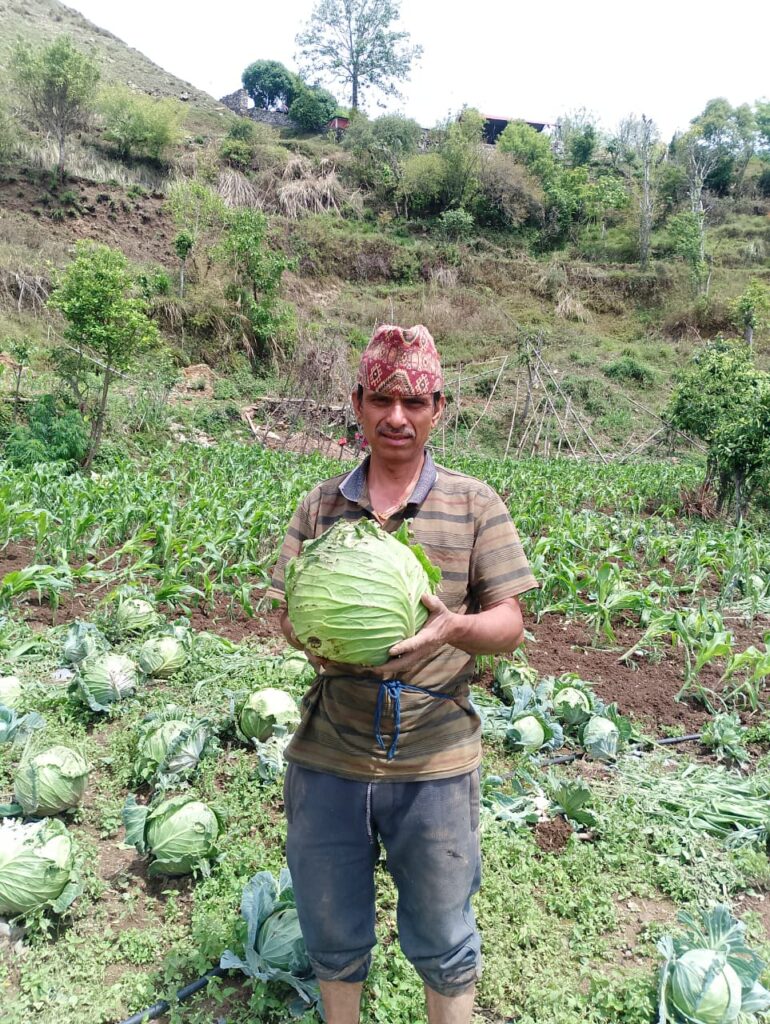
Smart Sprayer pilot farmer.
Smart Sprayer in action.

In October, a team of FutureWater, Practica and Climate Resilience Research Centre visited Syangja district in Gandaki province, Nepal, for the ‘Smart Sprayer’ project, a feasibility study funded by the Partners for Water scheme. The project aims to increase water and food security in Nepal by testing and deploying novel smart irrigation technology.

In Syangja district, situated in the mid-hills of Nepal, smallholder farmers rely on springs for irrigation in the dry season (Nov – Mar). Spring discharge is low this time of the year and further reduction can be expected in the face of climate change. Traditional irrigation systems either require high water pressures or have low water use efficiencies.  As a result, food insecurity persists while farmers fail to realize their full income potential. this applies not only to the district at hand since Nepal is a net importer of food.

The project is researching the feasibility of the ‘Smart Sprayer’, a system that combines hardware and software to help farmers grow food even under water scarce conditions. It has two components:

  1. The hardware: a lightweight pivot irrigation system, 12m in diameter,  which can operate at pressures as low as 2 m of hydraulic head – far lower than traditional systems. The low pressure and high efficiency allow the system to work under water-scarce conditions.
  2. Software: our digital irrigation advisory tool Croptimal that uses WAPOR evapotranspiration data, crop specs, and growth stage info to calculate crop water demand. We condense all these datasets and calculations into a single practical SMS message, advising farmers number of minutes to irrigate, saving water while ensuring optimal yields.
The sprayer setup and tested in the field.
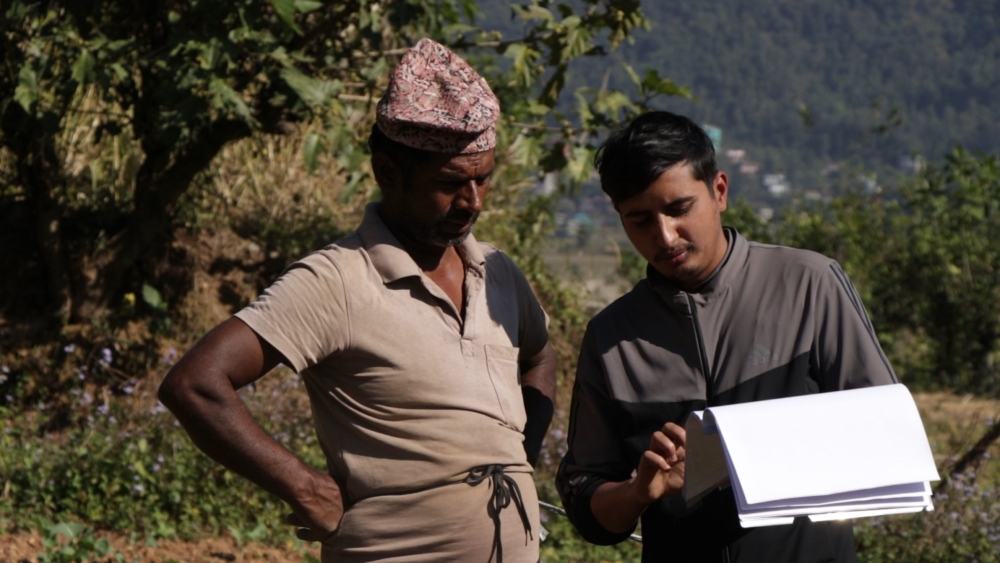
Discussion between the project team and the municipality of Bheerkot, Syangja.

By enabling efficient irrigation under water-scarce conditions, farmers can increase crop production for the local market. This is expected to improve both food security, farmer livelihoods, and reduce vulnerability to climate change.

Some highlights of the trip were: researching water security challenges with a selection of 10 local farmers; discussing the technology to the municipalities of Putalibazar and Bheerkot; testing the sprayer and installing a weather station for ground truthing.

The project is a one-year feasibility study, requiring the consortium to move fast. The next steps are the transplanting of seedlings (cauliflower and cabbage); setting up farmer-managed irrigation with the Sprayer guided by SMS advisories; monitoring operations and crop performance by WUR intern Maaike de Wit; as well as developing farmer and supplier-level business cases. The ultimate goal of the project is to assess if the ‘Smart Sprayer’ is technically and financially feasible and can have a positive impact on the lives of smallholder farmers in Nepal.

I-DIP builds on InfoSequia, an advanced toolbox that integrates satellite data, local observations, and machine learning to monitor and forecast droughts. A new flash drought indicator, tailored to Pakistan’s climate, will be developed and embedded within NDMC’s existing system. The project will enhance early warning capacities, safeguard food and water security, and contribute to national climate adaptation efforts, paving the way for I-DIP’s upscaling across Pakistan.

Beyond monitoring, I-DIP will connect its forecasts to decision-making tools. Impact information will be disseminated through advisory bulletins and the inFarmer app (developed by WaterSprint), already widely used among farming communities. Field facilitators deployed by the Better Cotton Initiative will translate these insights into actionable guidance for farmers, enabling them to adapt irrigation practices, adjust cropping calendars, and mitigate potential losses. This integration of cutting-edge drought science with established communication networks ensures that early warnings are transformed into practical actions at the field level.

By embedding I-DIP within NDMC’s operational system, the project directly strengthens Pakistan’s early warning capacity for droughts, aligns with national climate policies, and supports the country’s commitments under the Sustainable Development Goals. In the longer term, the pilot is expected to catalyse scaling of I-DIP across Pakistan, offering authorities a state-of-the-art tool to anticipate and manage such extreme events.

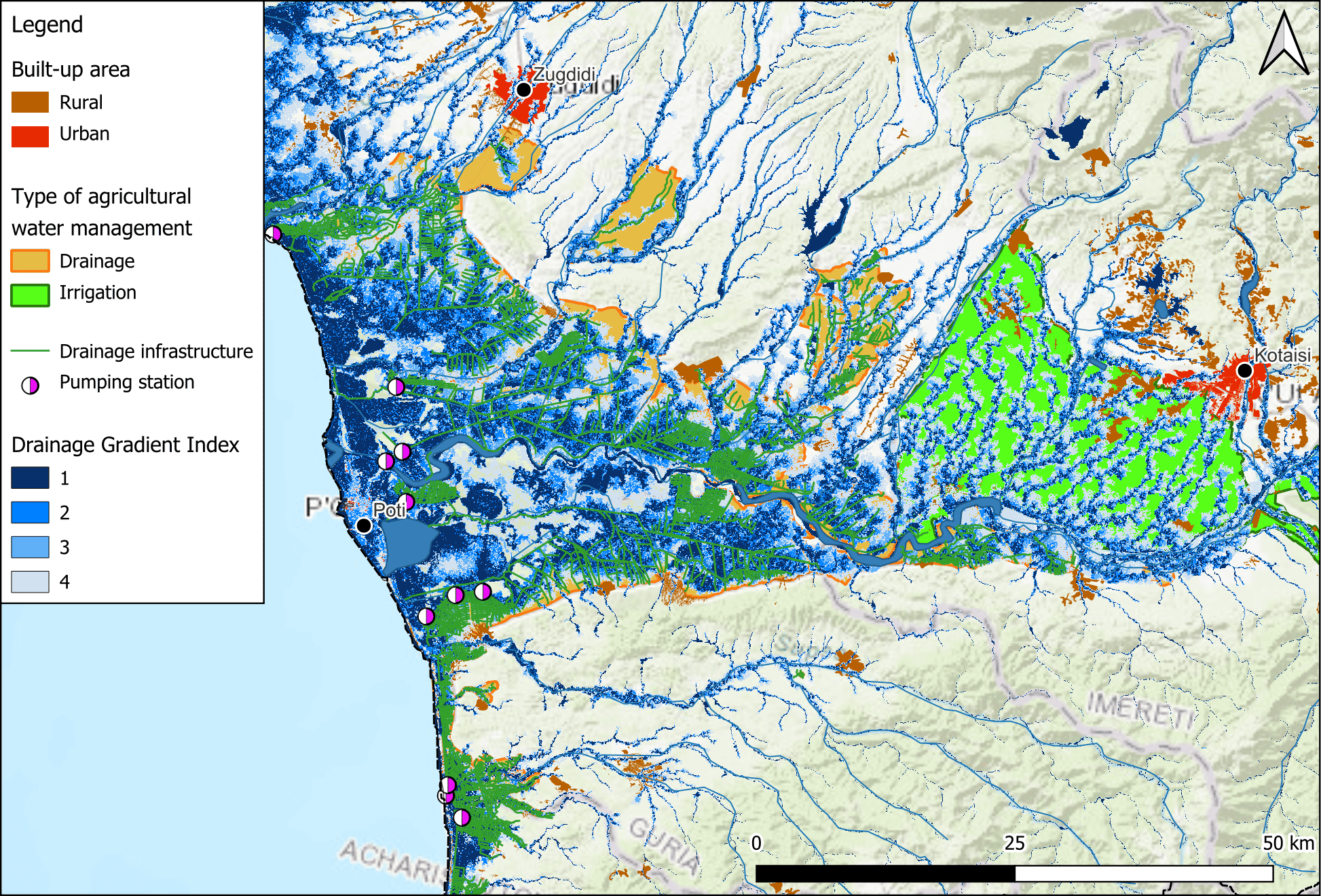
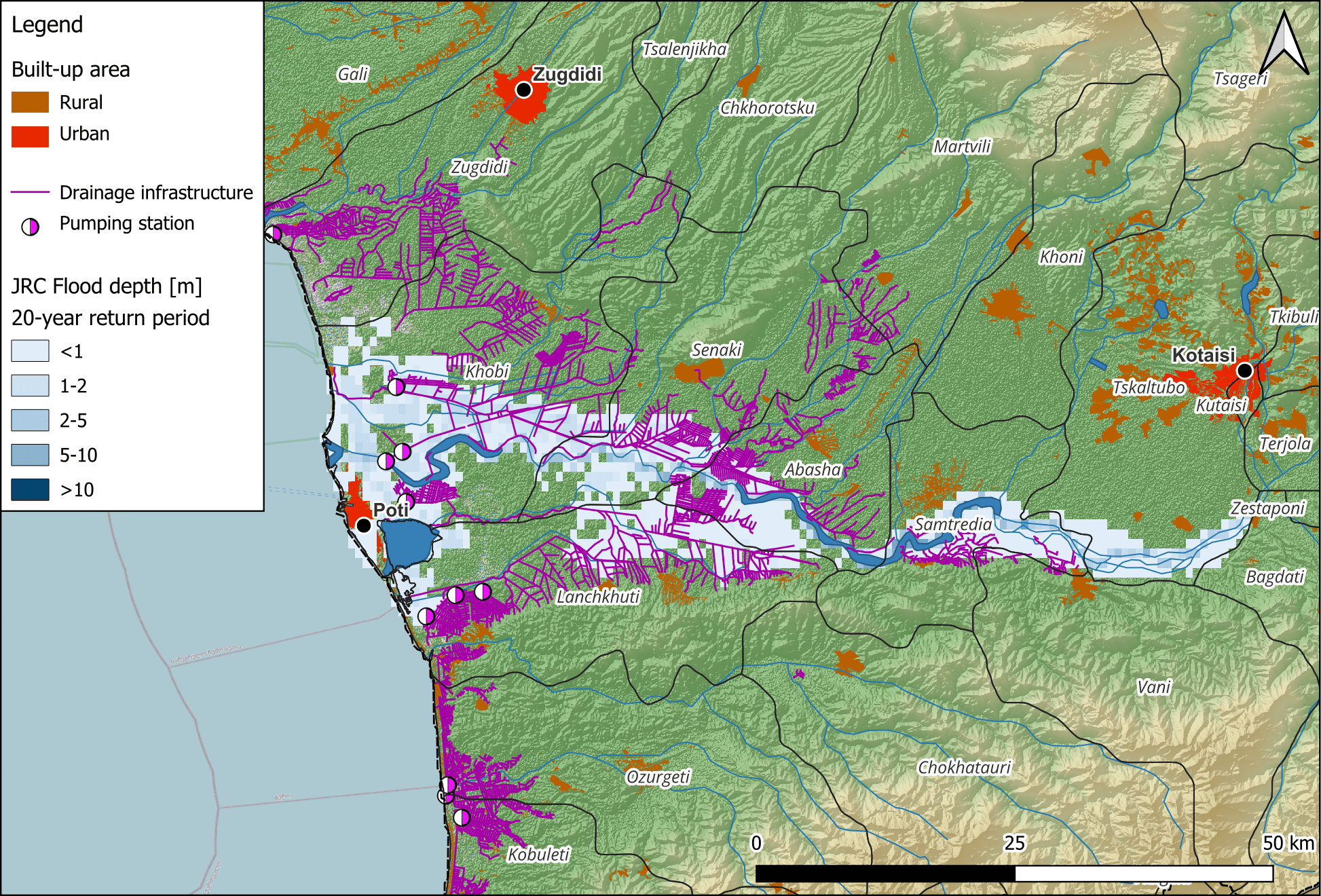
Climate change is expected to intensify extreme rainfall events, further stressing the outdated drainage systems and increasing flood risks. Additionally, institutional and legal challenges complicate effective drainage management, including fragmented responsibilities and funding constraints. Environmental considerations are also critical, as many of the drainage areas are adjacent to sensitive ecosystems, including the Kolkheti National Park and the Colchic Rainforests and Wetlands, a UNESCO World Heritage site.

This assessment will focus on evaluating the condition and performance of the current drainage systems in West Georgia, the potential and feasibility of their rehabilitation, analyzing the agricultural potential of rehabilitated land, assessing climate and environmental impacts, and identifying legal and institutional gaps. The findings will inform a feasibility study, providing strategic recommendations for rehabilitating and modernizing the drainage systems to enhance agricultural productivity, climate resilience, and environmental sustainability in West Georgia.

Nepal offers an ideal testing ground due to strong government support for climate-smart agriculture, a large population of vulnerable smallholders, and active engagement from organisations like Climate Resilience Research Centre (CRRC) and International Centre for Integrated Mountain Development (ICIMOD). Results from this feasibility will support national policy goals and can be scaled to similar mountain regions across South Asia.

This project focuses on Syangja District, Gandaki Province, which faces growing water scarcity and unpredictable rainfall, especially on hillside farms reliant on spring-fed irrigation and rain-fed agriculture. These conditions make traditional irrigation unworkable and create a need for low-pressure, affordable, and locally adaptable solutions. The Smart Sprayer combines practical hardware with a digital advisory tool to optimise limited water use — a frugal innovation tailored for smallholder needs.

Croptimal combines of crop, field and irrigation characteristics with weather station and satellite data to provide irrigation advice.

The project entails the feasibility of an integrated, low-cost “Smart Sprayer” irrigation system based on Croptimal but tailored for hillside farming that delivers practical WhatsApp/SMS irrigation advice. The main innovation is the Smart Sprayer, a gravity-fed, low-pressure micro-pivot irrigation device paired with a tailored Smart Irrigation Tool. The digital platform delivers daily, data-driven irrigation advice to farmers’ phones. Together, these offer a scalable and cost-effective package for precise and efficient water use on remote hillside farms.

The main objective is to improve water security and agricultural productivity for mid-hill smallholders during the dry season in Nepal. More specifically, to demonstrate the technical, economic and social feasibility of a low-pressure irrigation solution in combination with irrigation advisory based on remote sensing data and weather forecasts. This includes market research and development of business cases for both farmers and local suppliers.

The Croptimal app is available at Croptimal.app. Get in touch with us if you would like more information or to request your own account.

Video: Croptimal – Smart Irrigation Advice Powered by Data

Video: Croptimal in Nepal


FutureWater, in collaboration with Utrecht University, has published Guidelines for Glacio-hydrological Modelling in High Mountain Asia. The guidelines report provides a structured approach for developing glacio-hydrological models in data-scarce mountain environments, building on both practical experience and scientific advances.

High Mountain Asia holds the world’s largest ice and snow reserves outside the polar regions and plays an important role as a water source for Asia’s major river systems, sustaining over a billion people. With changing glaciers and snow cover under global warming, water availability is shifting across seasons and risks of floods and droughts are intensifying. Understanding and modelling these dynamics is essential for managing future water resources. Focused on the Spatial Processes in Hydrology (SPHY) model, the guidelines presents best practices for model setup, calibration, and validation, offering stepwise procedures to support climate impact assessments and strengthen water resources management in glacier- and snow-dominated basins.

The guidelines were prepared as part of the project Development of a Glacio-Hydrological Model and Integrated Water Resources Management Plan for the Uttarakhand Subbasin, commissioned by the Swiss Agency for Development and Cooperation (SDC) under the Strengthening Climate Change Adaptation in Himalayas (SCA-Himalayas) program. Implemented between 2021 and 2023 by a consortium of FutureWater, Utrecht University, the University of Geneva, and the Energy and Resources Institute (TERI) in India. The project used the Bhagirathi Basin in northern India as a case study to illustrate the modelling approach.