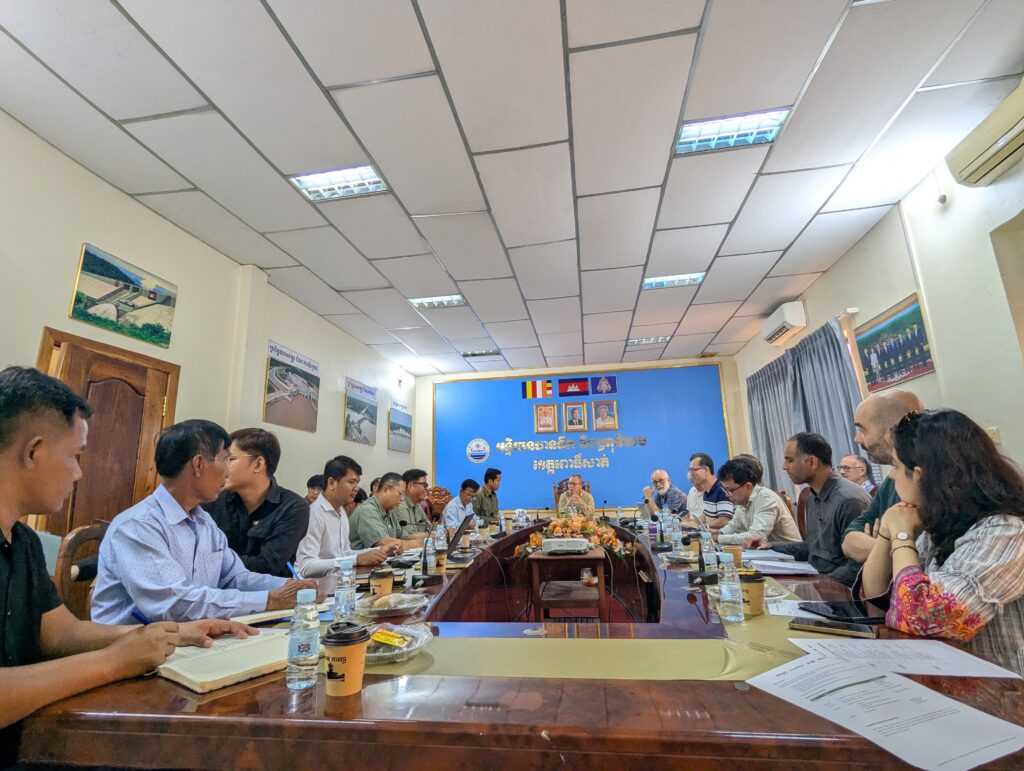
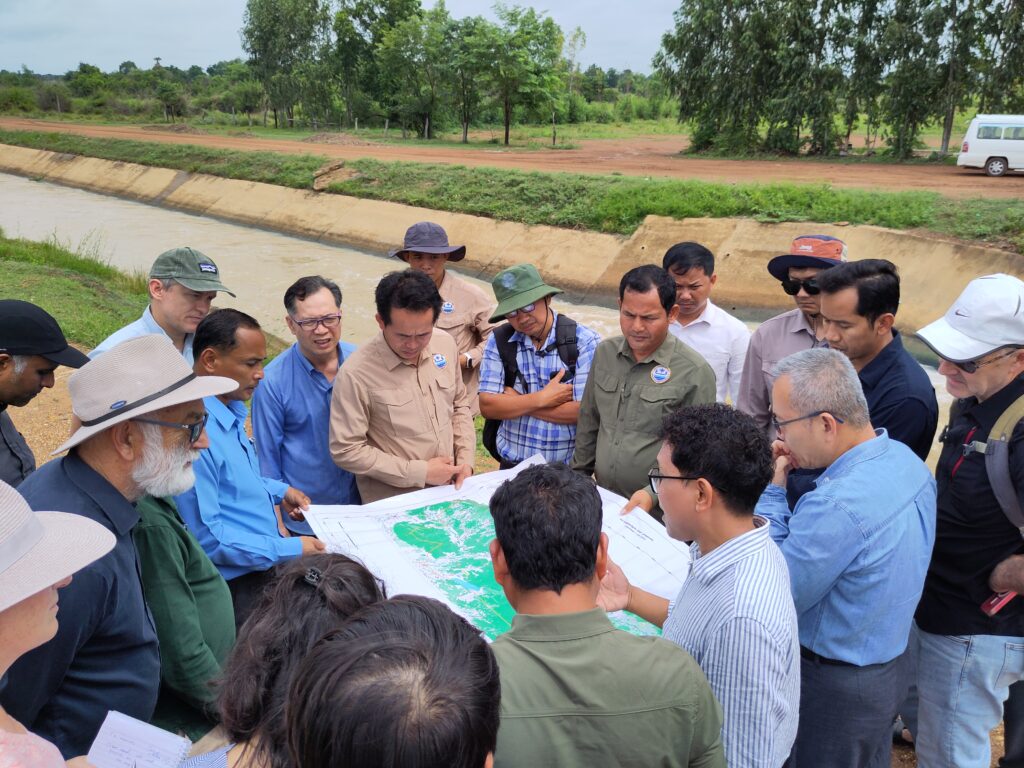
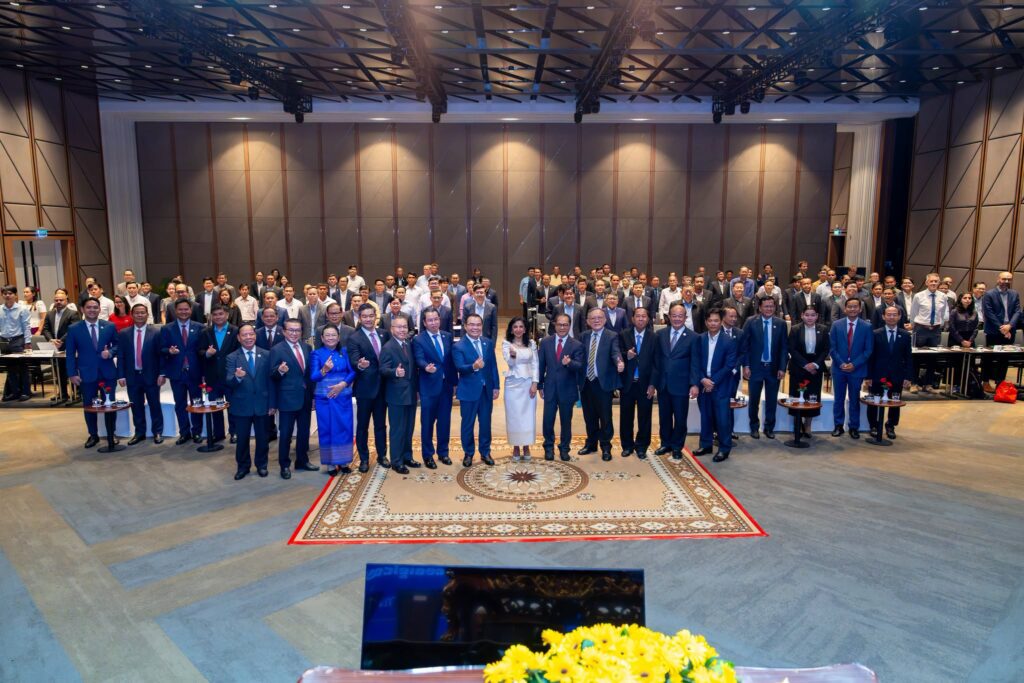
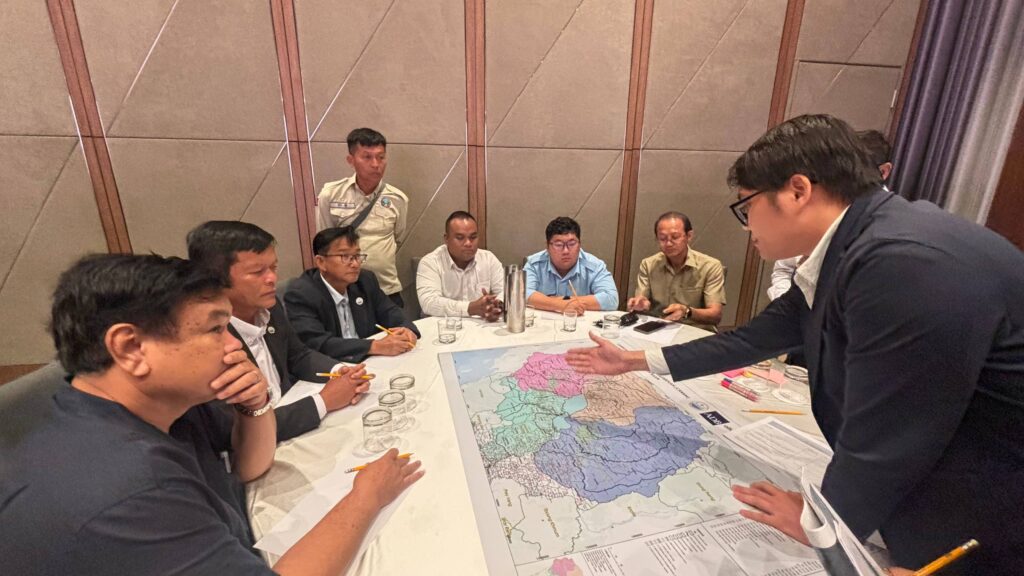
FutureWater has successfully completed the development and pilot testing of WatNEX: A  Water Accounting Engine to support Water, Energy, Food, ecosystem (WEFe) decision making – in close collaboration with the Food and Agriculture Organization of the United Nations (FAO). The project was implemented under FAO’s inter-Regional Technical Platform on Water Scarcity (iRTP-WS) for the 2024–2025 biennium.

WatNEX addresses the growing need for integrated, data-driven approaches to manage water scarcity, climate change impacts and competing sectoral demands. Decision-makers often rely on fragmented data and sector-specific tools, limiting their ability to assess trade-offs across water, energy, food and ecosystems. WatNEX responds to this challenge by providing a unified, transparent framework to support coherent WEFE nexus analysis and evidence-based decision-making.

The project began with an extensive consultation process involving WEFe experts and practitioners from Asia-Pacific, the Near East and North Africa, and Latin America and the Caribbean. Insights from literature review, interviews and surveys directly informed the design of the tool, ensuring that WatNEX is both scientifically robust and practically relevant.

Key features of WatNEX include:

  • A modular and scalable structure, with water accounting as the core component
  • Optional integration of energy, food and ecosystem dimensions
  • A user-friendly Excel-based interface linked to the WEAP modelling framework
  • Scenario analysis to assess future projections and policy interventions

WatNEX was piloted in three contrasting river basins: i) Tuul River Basin in Mongolia, ii) Lower Majerda Basin in Tunisia, and iii) Chancay–Lambayeque Basin in Peru, demonstrating its applicability across diverse hydrological and socio-economic contexts. The case studies showed how the tool can quantify water balances, identify sectoral supply–demand gaps, and highlight trade-offs across the WEFE nexus, such as increased energy use linked to measures that reduce water shortages.

The technical development was complemented by an online launch and three cross-regional workshops held in November 2025. Nearly 60 participants from more than 12 countries, representing ministries, research institutes, universities and development organizations, were trained on water accounting concepts and the practical use of WatNEX. Feedback was highly positive, highlighting the clarity of visual outputs, the intuitive interface and the relevance of the tool for strengthening evidence-based decision-making.

With WatNEX successfully delivered, FutureWater and FAO are exploring next steps to further strengthen the tool, including expanded datasets, additional policy-relevant indicators and broader capacity-building activities.

FutureWater is pleased to announce the successful completion of the BONEX project (2022–2025), which focused on advancing the Water, Energy, Food, ecosystem (WEFe) nexus. The project aimed to bridge the gap between governance and practice by developing practical solutions to overcome barriers in WEFe-related policies and decision-making.

Over its three-year duration, BONEX delivered several key outputs:

  1. Development of a WEFe bridging framework
  2. Creation of diagnostic tools to support WEFe assessments
  3. Demonstration and testing of solutions in selected pilot projects
  4. Exploitation and upscaling of BONEX results

Together, these activities have significantly strengthened nexus-based thinking, practice, and decision-making across diverse contexts.

As part of the EU-PRIMA funded BONEX project, FutureWater successfully developed and piloted the REWEFe (Rapid Evaluation of the Water, Energy, Food, ecosystem nexus) tool. REWEFe enables users to quantitatively assess inter- and intra-sectoral linkages and evaluate the impacts of different scenarios (including interventions and projections) across the four WEFE sectors.

Developed within an MS Excel environment, REWEFe is designed for rapid and accessible assessments, providing clear visual outputs and robust scenario analysis to support integrated planning at multiple scales. The tool is:

  • Quick and user-friendly
  • Fully open access
  • Flexible and easy to customise
  • Designed to support scenario analysis and nexus-based decision-making

In collaboration with partners from seven Mediterranean countries (Italy, Portugal, Spain, Jordan, Lebanon, Tunisia, and Morocco) REWEFe was co-developed and applied across the seven demonstration projects. These projects implemented a wide range of nexus solutions, including nature-based solutions (such as cover crops, riverbank restoration, and wetlands), solar-powered hydroponic systems, and improved nutrient management practices. The tool was used to conduct advanced WEFe analyses and to demonstrate the effectiveness of both individual and combined interventions, as well as their potential upscaling impacts. Multiple scenarios were developed for each demonstration project to support evidence-based decision-making.

In addition to the technical development and application of REWEFe, FutureWater produced a policy brief summarising key insights from the demonstration projects. The brief highlights how BONEX tools and methods can support multidisciplinary WEFE nexus assessments and inform integrated, cross-sectoral policy and planning.

The project aims to strengthen the capacity of Tunisia’s Ministry of Agriculture, Water Resources and Fisheries in integrated water, energy, food, and enviornment (WEFE) management to promote sustainable and climate-resilient development. Through the Shiraka Programme, stakeholders are trained in analysing water flows, sectoral trade-offs, and synergies using tools such as REWAS (Real Water Savings in Agricultural Systems), Follow the Water, and REWEFe (Rapid Evaluation of Water-Energy-Food-ecosystem nexus) developed by FutureWater in collaboration with FAO and partners. The training sessions combine hands-on exercises, remote sensing data applications, and participatory discussions to enhance data-driven decision-making and institutional coordination in light of water scarcity and climate change.

From 6–16 August 2025, Tania Imran from FutureWater participated in ADB’s fact-finding mission in Pakistan as a Climate Risk Expert for projects financed under the Panda Bond initiative.

The mission reviewed four investment projects:

  • Installation of a telemetry system for real-time discharge monitoring at 27 key sites in the Indus Basin
  • Strengthening the power distribution system across Punjab and Sindh
  • Procurement of medical equipment for establishing a cancer hospital in Islamabad
  • Establishment of the Jinnah Medical Complex and Research Centre

The mission brought together experts from the Asian Development Bank (ADB) and the Asian Infrastructure Investment Bank (AIIB), covering key thematic areas including climate risk, environmental and social safeguards (ESG), and gender. In her role as Climate Risk Expert, Tania Imran contributed by sharing insights from the Climate Risk and Vulnerability Assessment (CRVA) conducted for the projects, verifying and updating the greenhouse gas (GHG) accounting based on the latest project developments, and assessing how the project teams plan to implement the proposed mitigation and adaptation measures. The team held consultations with relevant ministries and departments and conducted field visits to validate project conditions and assess climate-related challenges.

This fact-finding mission represented a crucial step towards finalizing the due diligence reports required by ADB and AIIB for loan approval. With these assurances in place, the four projects are set to enhance healthcare infrastructure, improve water resources management, and strengthen energy distribution systems across Pakistan.

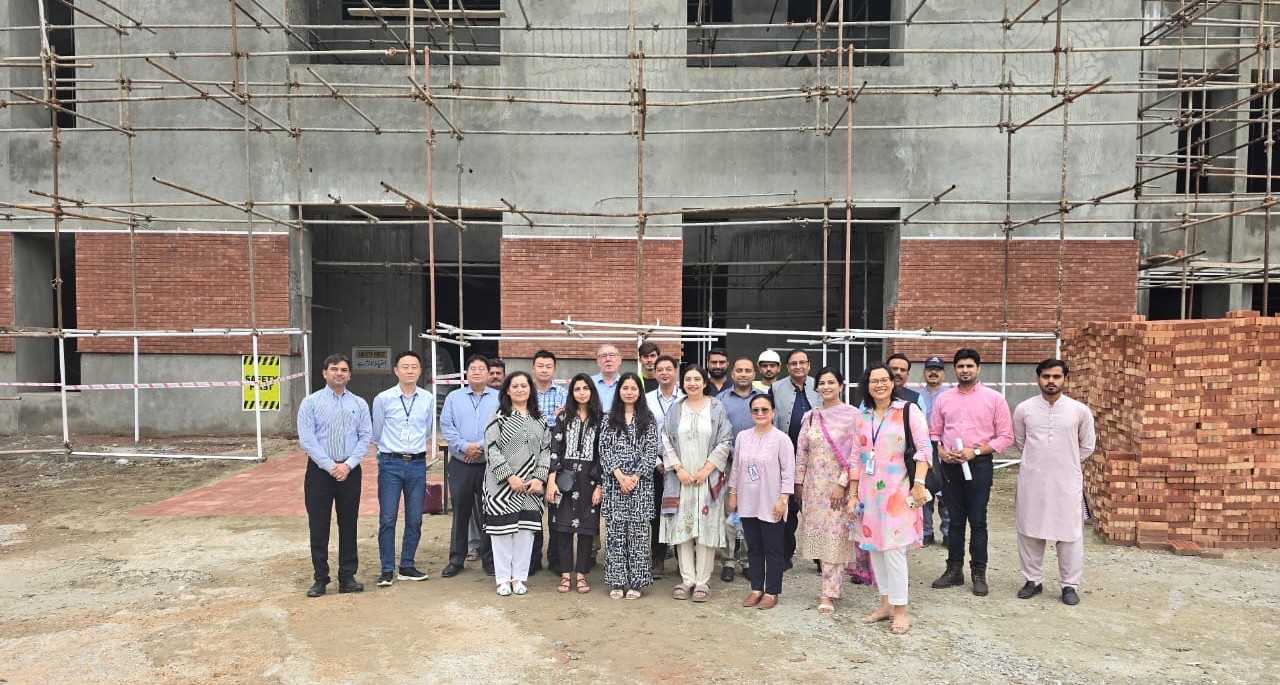
Team of ADB Experts at the site of the cancer hospital being constructed within the premises of PIMS, Islamabad
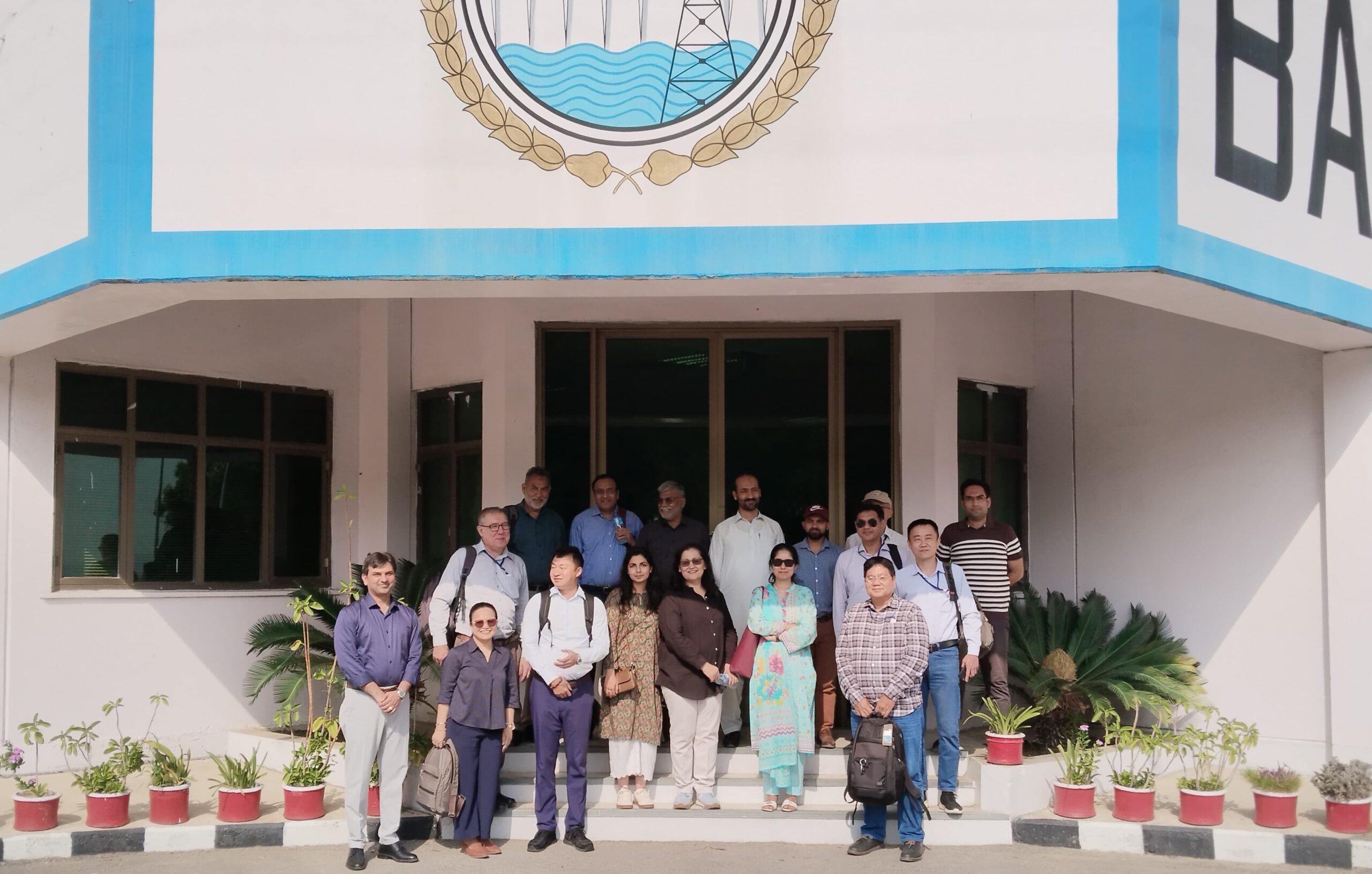
Team of ADB Experts at Ghazi Barrage (7 km downstream of Tarbela Dam)


FutureWater, in collaboration with FAO, has been implementing a two-phase, hands-on training program on Water Accounting under the Water Scarcity Program for Asia and the Pacific. The second phase, held on 25–26 June in Ha Long, Vietnam, marked the successful completion of the capacity-building initiative.

The second in-country session took place from 25-26 June in Halong where 23 participants from the Department of Water Resources as well as several academic institutions across Vietnam successfully completed the training program. In this phase, participants were introduced to the UN SEEA Water Framework –  a key instrument for aligning with Vietnam’s Law on Water Resources (No. 28/2023/QH15) which calls for water accounting as part of a broader shift from administrative to economic instruments in water management. The law also emphasizes user responsibility, sustainability, and the efficient use of water resources.

The training provided participants with a comprehensive understanding of SEEA Water implementation – from strengthening conceptual foundations to identifying and using key data sources such as EarthMap, WaPOR, and AQUASTAT. Guided by Dr. Amar Doshi from Alluvium International, participants also learned practical techniques for economic valuation and explored global best practices. Together, these components equipped them with the knowledge and tools needed to apply SEEA Water effectively in their respective contexts.

This training marked the completion of the two-phase training series FutureWater has been delivering since August 2023 across four Southeast Asian countries (Thailand, Lao PDR, Indonesia, and Vietnam) under FAO’s Water Scarcity Program. The program has laid a strong foundation for countries to leverage Water Accounting as a powerful tool to address the growing challenges of water resource management, especially under climate change.


Hands on exercises
Theoretical presentation

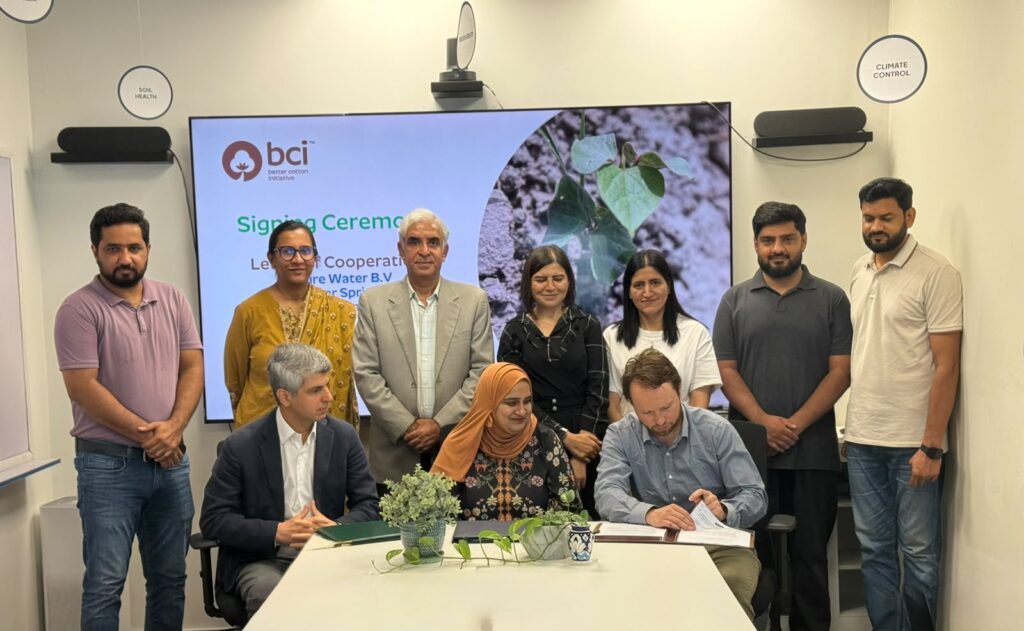
I-DIP builds on InfoSequia, an advanced toolbox that integrates satellite data, local observations, and machine learning to monitor and forecast droughts. A new flash drought indicator, tailored to Pakistan’s climate, will be developed and embedded within NDMC’s existing system. The project will enhance early warning capacities, safeguard food and water security, and contribute to national climate adaptation efforts, paving the way for I-DIP’s upscaling across Pakistan.

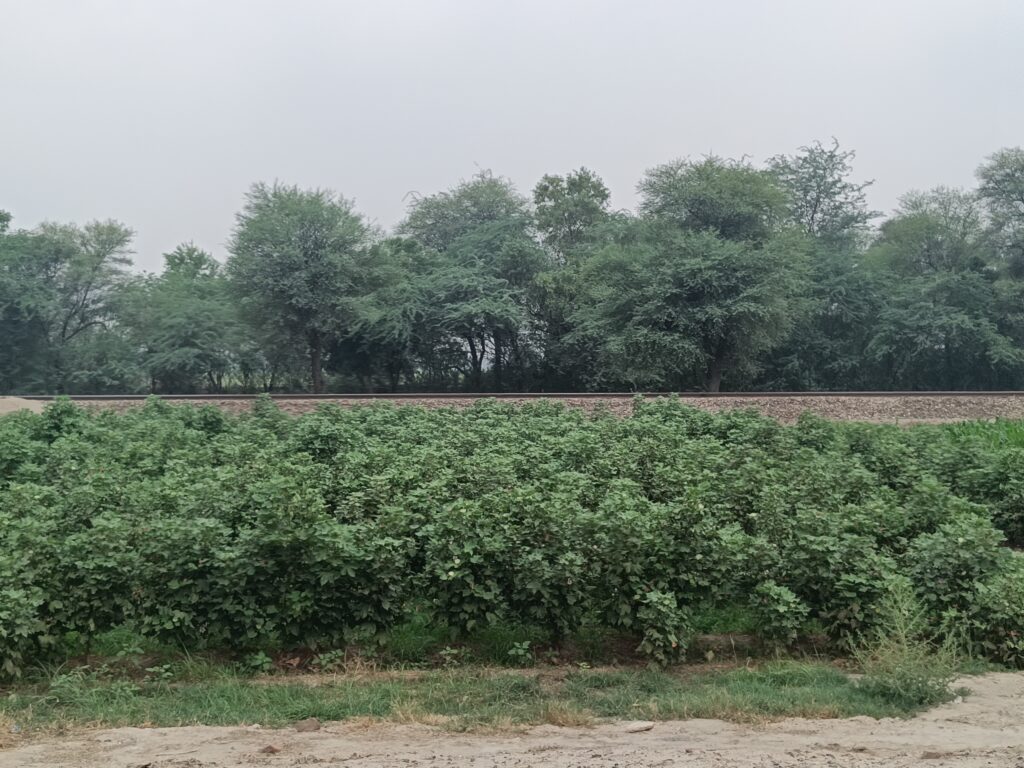
Beyond monitoring, I-DIP will connect its forecasts to decision-making tools. Impact information will be disseminated through advisory bulletins and the inFarmer app (developed by WaterSprint), already widely used among farming communities. Field facilitators deployed by the Better Cotton Initiative will translate these insights into actionable guidance for farmers, enabling them to adapt irrigation practices, adjust cropping calendars, and mitigate potential losses. This integration of cutting-edge drought science with established communication networks ensures that early warnings are transformed into practical actions at the field level.

By embedding I-DIP within NDMC’s operational system, the project directly strengthens Pakistan’s early warning capacity for droughts, aligns with national climate policies, and supports the country’s commitments under the Sustainable Development Goals. In the longer term, the pilot is expected to catalyse scaling of I-DIP across Pakistan, offering authorities a state-of-the-art tool to anticipate and manage such extreme events.

FutureWater, together with FAO’s regional office for the Middle East and North Africa, presented the blueprint of a new decision support tool at the FAO inter-regional workshop on “Integrated approaches and evidence-based good practices in sustainable land management to promote integration of the WEFE nexus”. The tool is designed to use water accounting data to assess and balance sectoral use and resource demand within the water-energy-food-ecosystem (WEFE) nexus.

The workshop, organised by FAO’s Interregional Technical Platform on Water Scarcity (iRTP), was attended by experts from MENA and sub-Saharan Africa, including Yemen, Malawi, Egypt, Jordan, Algeria, Morocco, Tunisia, Botswana, Zimbabwe and Tanzania. This diverse meeting created a valuable space for cross-regional exchange on best practices in sustainable land and water management.

FutureWater’s presentation highlighted how the tool, currently under development, aims to support evidence-based planning and resource allocation in competing sectors. The new initiative builds on previous work under FAO’s Asia-Pacific Water Scarcity Programme and brings forward a systems approach to integrated resource management.

It was particularly encouraging to receive strong interest from several countries to test the tool, reinforcing the urgent need for scalable, data-driven solutions that can support sustainable development in water-scarce regions.

FutureWater is proud to contribute to promoting integrated approaches to land and water management and looks forward to the next stages of development and pilot testing.

FutureWater has successfully delivered the second part of the Shiraka training program on “Climate Smart Water in Agriculture”, in collaboration with The Hague Academy for Local Governance. The training was part of the Shiraka Programme, an initiative by the Netherlands Ministry of Foreign Affairs aimed at strengthening sustainable partnerships and knowledge exchange with MENA countries.

The program took a practical, hands-on approach, focusing on real-world applications and tools relevant to the Tunisian agricultural context. Participants from the Ministry of Agriculture, Water Resources and Fisheries, engaged in interactive sessions using case studies that helped build capacity on how to quantify and manage water resources effectively in a changing climate.

Key tools such as REWAS and Follow the Water (developed in collaboration with FAO) were introduced to analyse water flows in agricultural systems. To tackle data challenges, participants also worked with remote sensing datasets and learned how to access and process information using platforms like WaPOR, FAO’s portal for water productivity through open access of remotely sensed data.

The training emphasized the importance of data-driven approaches and smart tools for supporting decision-making in water management, particularly under climate variability and water scarcity conditions. This successful program highlights FutureWater’s continued commitment to capacity building and innovative solutions for climate-resilient water management in agriculture.

The Inter-Regional Technical Platform on Water Scarcity (iRTP-WS), led by the Food and Agriculture Organization (FAO) of the United Nations, seeks to bridge gaps in practice and innovation to drive transformative change in water, land, and agriculture management, particularly in the face of climate change. It focuses on enhancing system preparedness for water, food, and climate challenges through improved governance, capacity building, and e-learning.
For 2024-2025, the work plan centers on “Integrated Water Solutions: Navigating Climate Change and Water-Energy-Food-Ecosystem (WEFE) Nexus Dynamics.” The FAO Regional Office for Asia-Pacific leads Strategic Priority 1: Nexus Thinking, promoting cross-sectoral, inclusive decision-making to optimize resource use and implement sustainable WEFE-based solutions.

To support nexus-based decision-making, FAO, in collaboration with FutureWater, is developing a tool that leverages Water Accounting data to provide accessible insights into WEFE dynamics. This tool will integrate WEAP and its API into an Excel environment, streamlining scenario analysis for both projections and interventions. By combining the strengths of both platforms, it will offer an intuitive, standardized, and collaborative approach to Water Accounting, contributing to a more harmonized decision-making framework.

The Food and Agriculture Organization (FAO) launched the Asia-Pacific Water Scarcity Program (WSP) to help countries across the region address the increasing challenges of water scarcity. The program aims to promote sustainable water use and support economic productivity despite growing water constraints.

Mongolia’s inclusion in the WSP presents a valuable opportunity to strengthen its water management capabilities. By applying proven methodologies and resources, the program will enhance the capacity of Mongolia’s Water Resource Ministries and River Basin Organizations (RBOs) to tackle the country’s unique water challenges effectively.

To demonstrate the effectiveness of Water Accounting for improved water management under a changing climate, FutureWater, with FAO’s support, is conducting a Water Accounting assessment for Mongolia’s two key river basins—the Tuul and Orkhon. Using cutting-edge techniques and tools, this initiative will provide critical insights to support sustainable water allocation and long-term resilience.