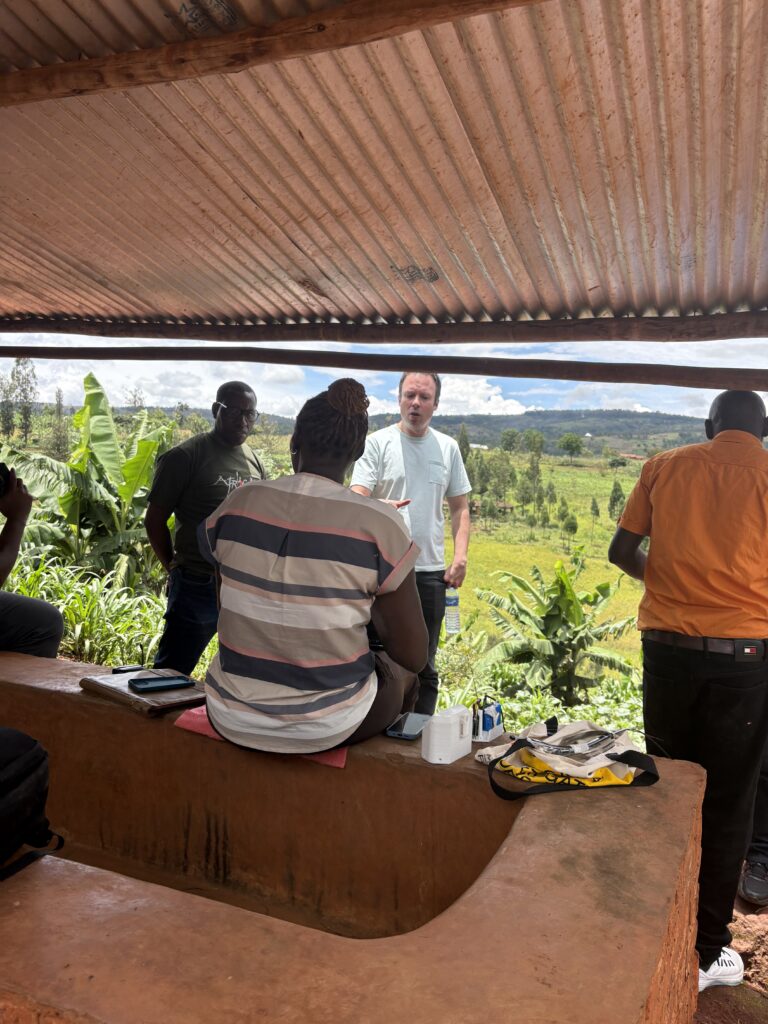
In early March 2026, the FutureWater team travelled to Karuzi Province in central Burundi as part of the inception phase of the Digital Peace Water (DPW) project. The mission was a key step in establishing the technical, institutional and social baseline against which the project will be implemented and evaluated.
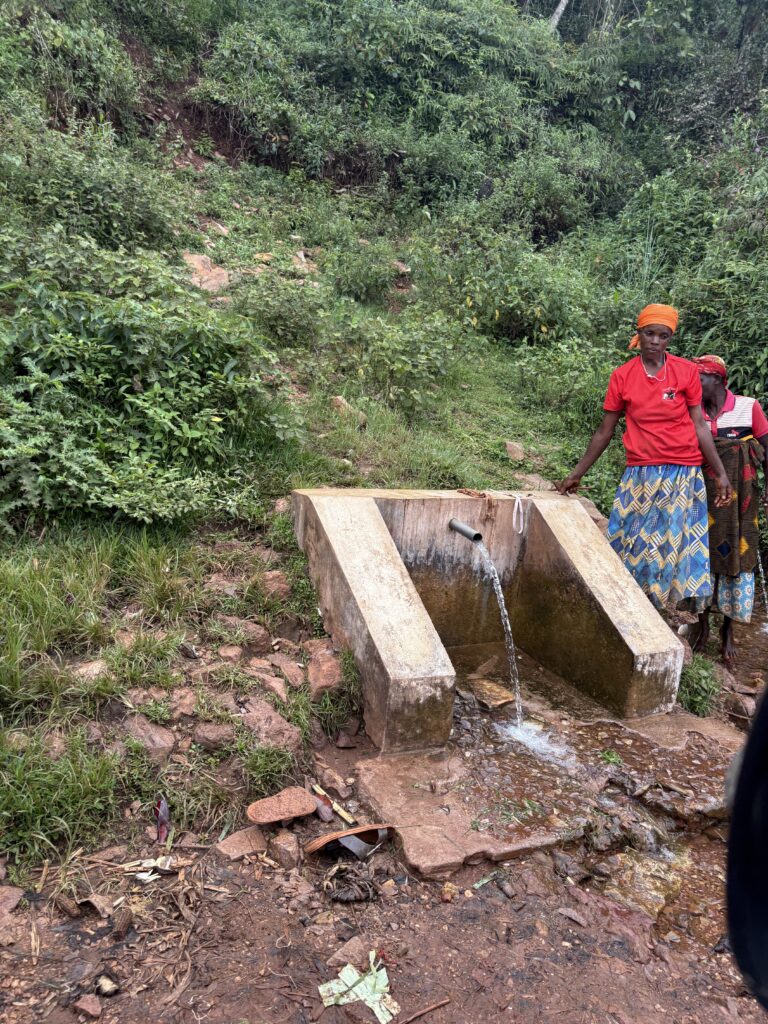
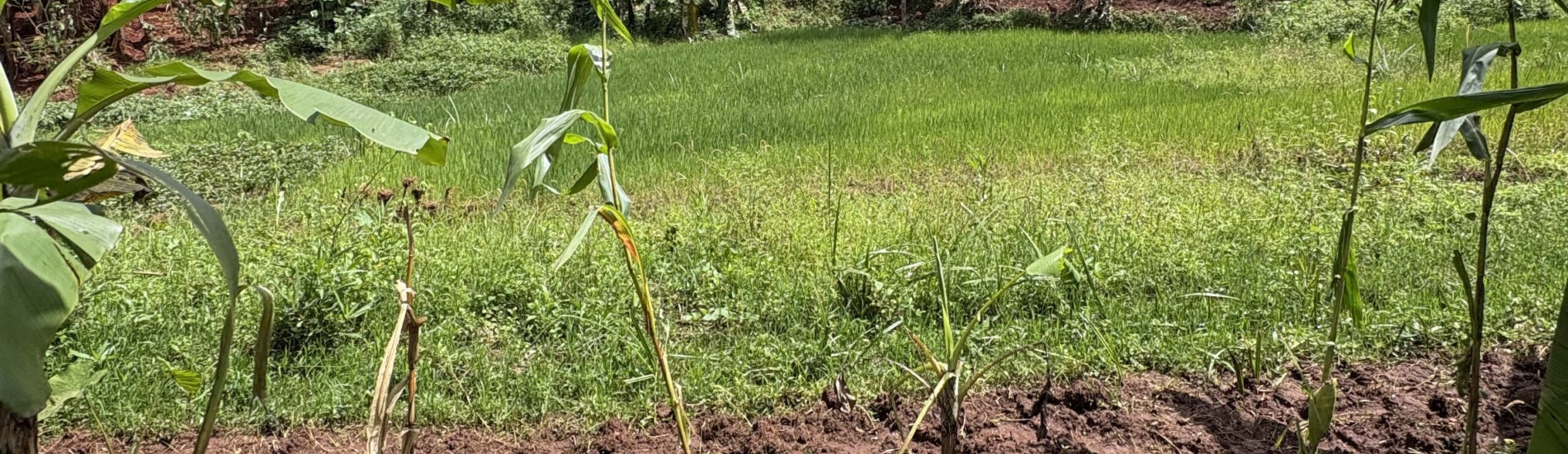
During the mission, the team visited several candidate pilot sites and inventoried the local water resources, including a number of springs that currently supply households and cooperatives in the area. These site visits provided first-hand insight into the hydrogeological conditions of the hill (flank) systems characteristic of the region, the layout of cultivated land, and the existing arrangements through which farmers access water during the dry season. Together with the consortium partners, the team also engaged with two community-based financial institutions, a Women’s Bank and a Youth Bank, to discuss inclusive access to water-related investments and the role these institutions can play in the long-term financial sustainability of the DPW system. Additionally, the visit included consultations with several Burundian ministries to align the project with national priorities and to clarify institutional roles for the deployment of the DPW system. These discussions confirmed the relevance of the project under Burundi’s NAPA and NDC priorities for water and agriculture, and helped further define the scope of the CTCN-supported Technical Assistance.
Based on the field observations, stakeholder consultations and resource inventory, the consortium has now defined a clear baseline for the implementation of DPW in Karuzi. The next steps include the selection of three pilot sites, the procurement of solar-powered groundwater pumping infrastructure, the design of allocation regime, and the deployment of the IoT and dashboard components that will support adaptive, transparent water allocation among the participating cooperatives.