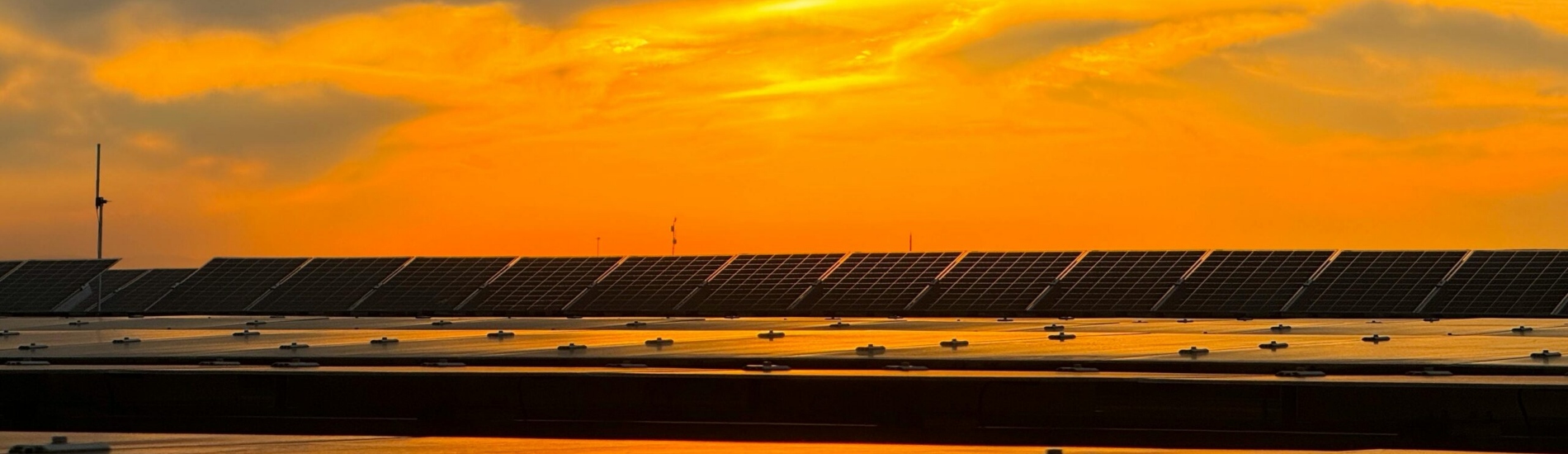
The project aims to diversify the Kyrgyz Republic's hydropower-dominated power system by introducing utility-scale floating solar photovoltaic (FPV) generation near the Bishkek load centre; thereby strengthening energy security, improving climate resilience, and demonstrating a replicable model for renewable energy expansion. In collaboration with the Government of the Kyrgyz Republic, the Asian Development Bank (ADB) seeks to construct a 15 MWac (approximately 18 MWp) FPV plant on the Hydropower Plant 5 (HPP5) reservoir, together with grid interconnection upgrades and institutional capacity support. This initial investment serves as a proof-of-implementation, establishing technical and commercial templates to catalyse follow-on private investment across a pipeline of approximately 176 MW of feasible FPV capacity. To ensure these investments are designed to withstand future climate risks, a comprehensive climate and disaster risk and adaptation assessment will guide adaptation strategies and refine climate finance estimates, supporting long-term sustainability.
The Kyrgyz Republic’s power system remains highly dependent on hydropower, which accounts for around 87% of total electricity generation. Aging infrastructure and recurring seasonal generation variability expose the system to hydrological shocks and climate-related risks. Because hydropower output depends critically on water availability, the country increasingly faces mismatches between seasonal water inflows and electricity demand, particularly in winter when inflows are low but heating-related demand peaks. In recent years this has driven a growing dependence on electricity imports from neighbouring countries, highlighting a structural vulnerability in the country’s energy security.
With support from the Asian Development Bank, the Government of the Kyrgyz Republic aims to address these constraints through a low-regrets diversification option that leverages existing reservoirs and electricity evacuation infrastructure, avoiding land acquisition and permitting bottlenecks. The FPV plant, located about 10 kilometres northeast of Bishkek, builds on a successful 100 kilowatt ADB pilot at the same site and is expected to generate approximately 20 GWh annually. The project has three major outputs:
- Constructing a climate-resilient floating solar photovoltaic plant with standardized technical and performance requirements documented for replication,
- Completing grid interconnection and substation upgrades with grid-code compliance and interconnection requirements documented to inform future FPV development, and
- Delivering regional knowledge sharing on floating solar PV, including knowledge exchange events and a regional knowledge product disseminated across the Kyrgyz Republic, Tajikistan, and Azerbaijan.
To assess the exposure and vulnerabilities of project components to potential climate risks, a detailed Climate and Disaster Risk and Adaptation (CDRA) assessment will be conducted, drawing on downscaled climate projections, relevant hazard data, and local information. The insights gained will enable ADB to embed effective adaptation and mitigation measures in the project design, strengthen the resilience of the hydropower-linked supply system, and ensure climate-resilient development across the water–energy nexus.