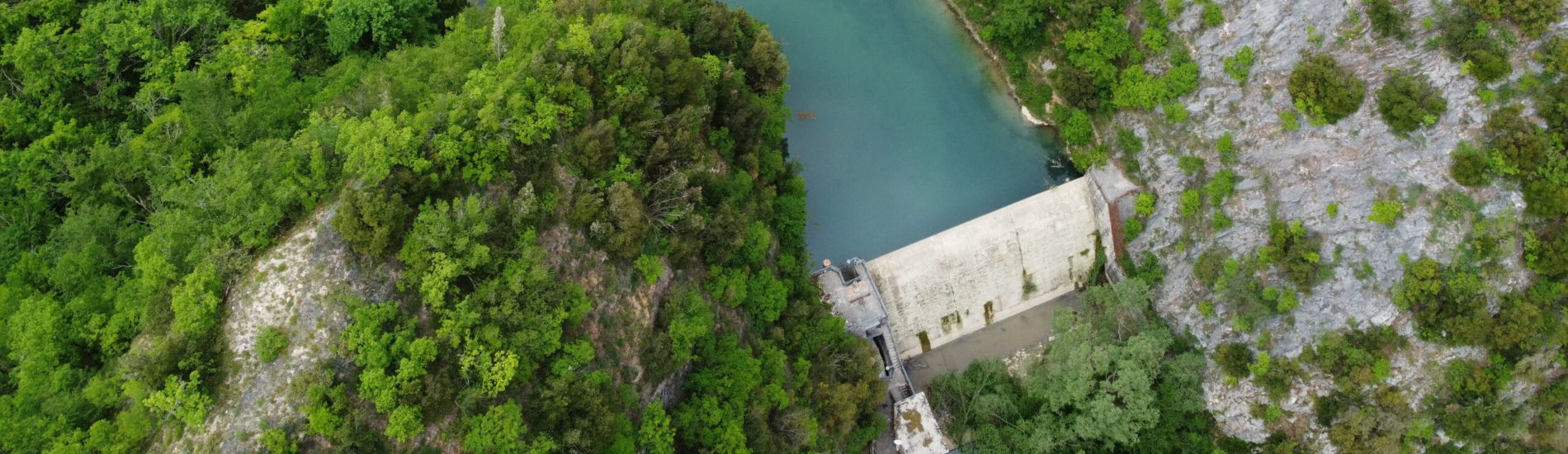
The project aims to strengthen the climate resilience of distributed renewable energy supply in Timor-Leste by rehabilitating the Gariuai mini-hydropower plant in Baucau Municipality; thereby restoring a source of clean generation, reducing the country's heavy dependence on imported diesel, and safeguarding the reliability of electricity supply for the communities it serves. In collaboration with the Asian Development Bank (ADB), FutureWater conducted a comprehensive Climate and Disaster Risk and Adaptation (CDRA) assessment to evaluate the vulnerability of this spring-fed, run-of-river scheme and the wider power system to a changing climate. The assessment characterizes historic and future climate conditions, identifies the key hazards facing the scheme, and recommends adaptation measures to reduce exposure and vulnerability while quantifying the greenhouse gas mitigation potential of the restored renewable generation.
Timor-Leste’s power system remains highly dependent on imported diesel, with two diesel-fired plants supplying the overwhelming majority of generation. Heavy reliance on imported fossil fuels exposes the system to fuel-price and supply shocks and has left the state utility, Electricidade de Timor-Leste (EDTL), unable to recover the cost of supply, recovering only around 27% of its expenditure in 2023. Because the system is so narrowly based, the country faces persistent energy insecurity and high costs, with little of the distributed renewable generation that could reduce technical losses and strengthen the reliability of local supply. In recent years this has reinforced a structural vulnerability in the country’s energy security, underlining the need to diversify the generation mix and expand cleaner, more affordable sources of power.
With support from the Asian Development Bank, the Government of Timor-Leste aims to address these constraints by rehabilitating an existing renewable asset, leveraging the established alignment, intakes, and grid connection of the Gariuai mini-hydropower plant and avoiding land acquisition and permitting bottlenecks. The 326 kW spring-fed, run-of-river plant, located near Baucau on the north coast, was the country’s first hydroelectric scheme and is expected, once restored, to supply renewable electricity to the national grid and displace diesel-fired generation. The project has three major outputs:
- Rehabilitating and recommissioning a climate-resilient mini-hydropower plant and its transmission interconnection, with standardized technical and performance requirements documented for replication,
- Strengthening the institutional capacity of EDTL to manage, operate, and maintain climate-resilient distributed renewable generation, and
- Updating the national Hydropower Master Plan to reassess project feasibility and guide future renewable energy development across Timor-Leste.
To assess the exposure and vulnerabilities of project components to potential climate risks, a detailed Climate and Disaster Risk and Adaptation (CDRA) assessment was conducted, drawing on the latest climate projections, relevant hazard data, and local information. The insights gained will enable ADB to embed effective adaptation and mitigation measures in the project design, strengthen the resilience of the distributed renewable supply system, and ensure climate-resilient development across the water–energy nexus.