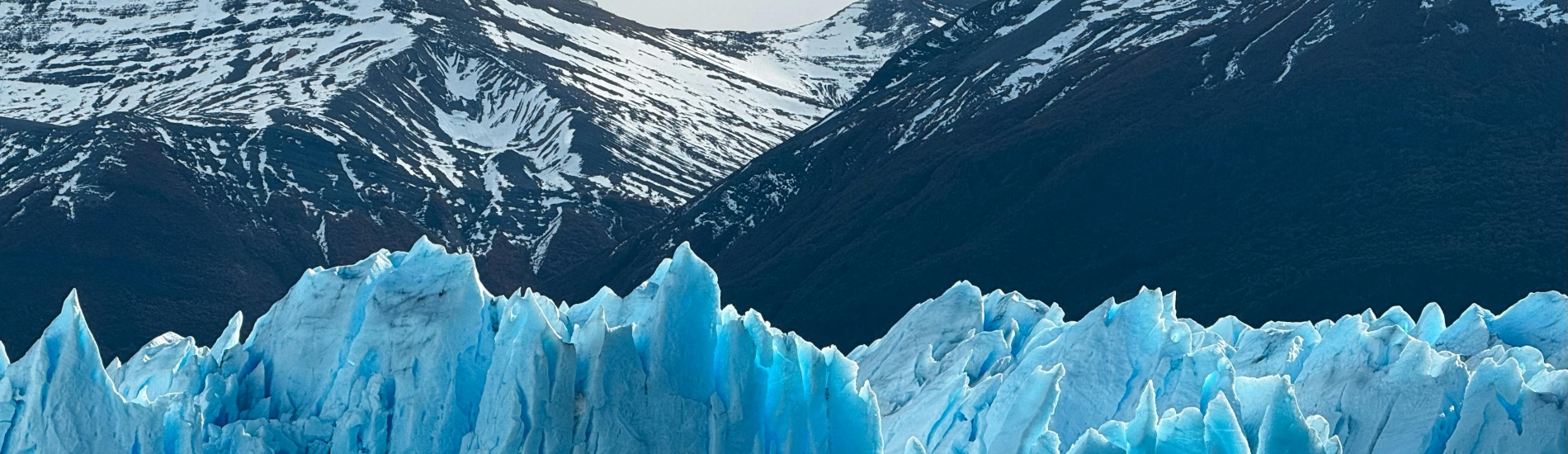
Mountains supply freshwater to billions of people, yet our understanding of how glaciers, snowpacks and permafrost are responding to climate change remains incomplete, particularly at the global scale. Critical tipping points in the cryosphere could fundamentally alter water availability downstream, with far-reaching consequences for agriculture, energy and ecosystems. To increase the knowledge base regarding this topic, FutureWater is part of a major international consortium funded by Schmidt Sciences through its Virtual Institute for Earth's Water (VIEW) program.
MountAInWater will deliver the first-ever comprehensive global reanalysis of mountain water resources, combining high-resolution physically-based modelling with artificial intelligence. The project starts with detailed fieldwork and modelling at four “supersites” in the Canadian Rockies, the Andes, the Pamir and the Himalaya. These simulations will train AI models that allow the approach to scale globally, covering all major mountain ranges at resolutions as fine as one kilometer. The project addresses non-linearities and tipping points in glaciers, snow and permafrost that have rarely been considered to date. Once the global reanalysis is complete, the team will zoom in on regional hotspots, areas facing significant changes in water availability, to assess societal and ecological impacts and collaborate with local stakeholders on adaptation strategies.
Together with Wageningen University and Hydrominds, FutureWater will focus on identifying water scarcity hotspots and simulating water resources allocation in downstream regions. This involves assessing where and when mountain water is used for irrigation, drinking water and hydropower, and how climate-driven changes in mountain hydrology will affect water security for downstream communities.
The project brings together partners from six countries: ISTA (Austria, lead), ETH Zurich (Switzerland), Technical University of Munich (Germany), University of Lausanne (Switzerland), Utrecht University (Netherlands), University of Saskatchewan (Canada), Wageningen University (Netherlands), FutureWater (Netherlands) and Climate Adaptation Services (Netherlands).